
98% Vitamin C Palmitate/Ascorbyl Palmitate Powder
Vitamin C Palmitate: What is it?
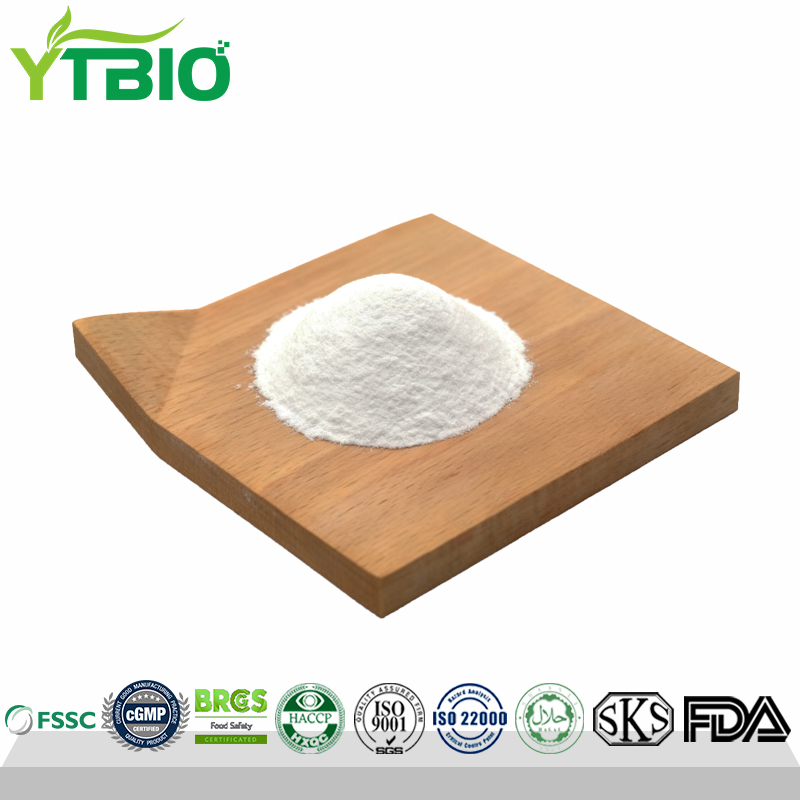
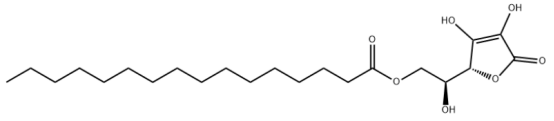
Vitamin C palmitate (Ascorbyl Palmitate), chemically known as L-ascorbic acid-6-palmitate, is a fat-soluble vitamin C derivative synthesized through esterification. It typically appears as a white to pale yellow powder and exhibits unique solubility characteristics: it is poorly soluble in water but readily soluble in organic solvents such as ethanol and oils. Compared to ordinary water-soluble vitamin C, this derivative demonstrates superior stability, showing significantly enhanced resistance to light, oxygen, and high temperatures, making it more suitable for applications in product systems requiring long-term storage. Thanks to its dual advantages of fat solubility and high stability, vitamin C palmitate is widely used in food, cosmetics, pharmaceuticals, and health supplements. It serves as a highly effective antioxidant to extend product shelf life and as an active ingredient for nutritional fortification and skin care.
YTBIO: Providing High-Quality Vitamin C palmitate and Services
Vitamin C Palmitate: Core Benefits
The efficacy of vitamin C palmitate stems from its unique fat-soluble molecular structure, allowing it to act more effectively on the lipid environment and stably exert its biological activity.
1. Deep and Long-Lasting Antioxidant
This is its core benefit. As a fat-soluble antioxidant, it can embed itself in the lipid bilayer, including cell membranes, directly targeting the "hotspots" of free radical generation. It effectively neutralizes various free radicals, including peroxide and hydroxyl radicals, effectively interrupting the chain reaction of lipid peroxidation, thereby protecting cell structures from oxidative damage and delaying functional aging.
2. Promotes Collagen Synthesis and Maintenance
In the body, it can be converted into bioactive vitamin C, an essential cofactor for collagen synthesis. By promoting the synthesis of type I and type III collagen, it helps increase tissue elasticity and firmness, supporting the maintenance of fullness and youthfulness.
3. Assists in Skin Repair and Soothing
With its antioxidant and gentle properties, it helps reduce minor damage to tissues caused by external environmental stimuli (such as UV rays). By alleviating oxidative stress, it indirectly creates a more favorable environment for the self-repair of damaged areas and provides a soothing effect.
4. Indirectly Brightens and Evens Skin Tone
Its brightening effect is achieved mainly through two pathways: first, through its antioxidant properties, it reduces pigmentation caused by oxidative stress; second, it may intervene in the melanin production process to some extent. Although its direct inhibitory effect may be weaker than some specialized ingredients, it provides fundamental support for an even and radiant overall skin tone.
5. Nutritional Support at the Cell Membrane Level
Due to its lipid solubility, it can participate more directly in the maintenance of cell structure and function based on lipids. The vitamin C released after enzymatic hydrolysis can continue to perform its classic physiological functions, such as participating in other biosynthetic reactions and redox metabolism in the body, providing support for normal cell function.
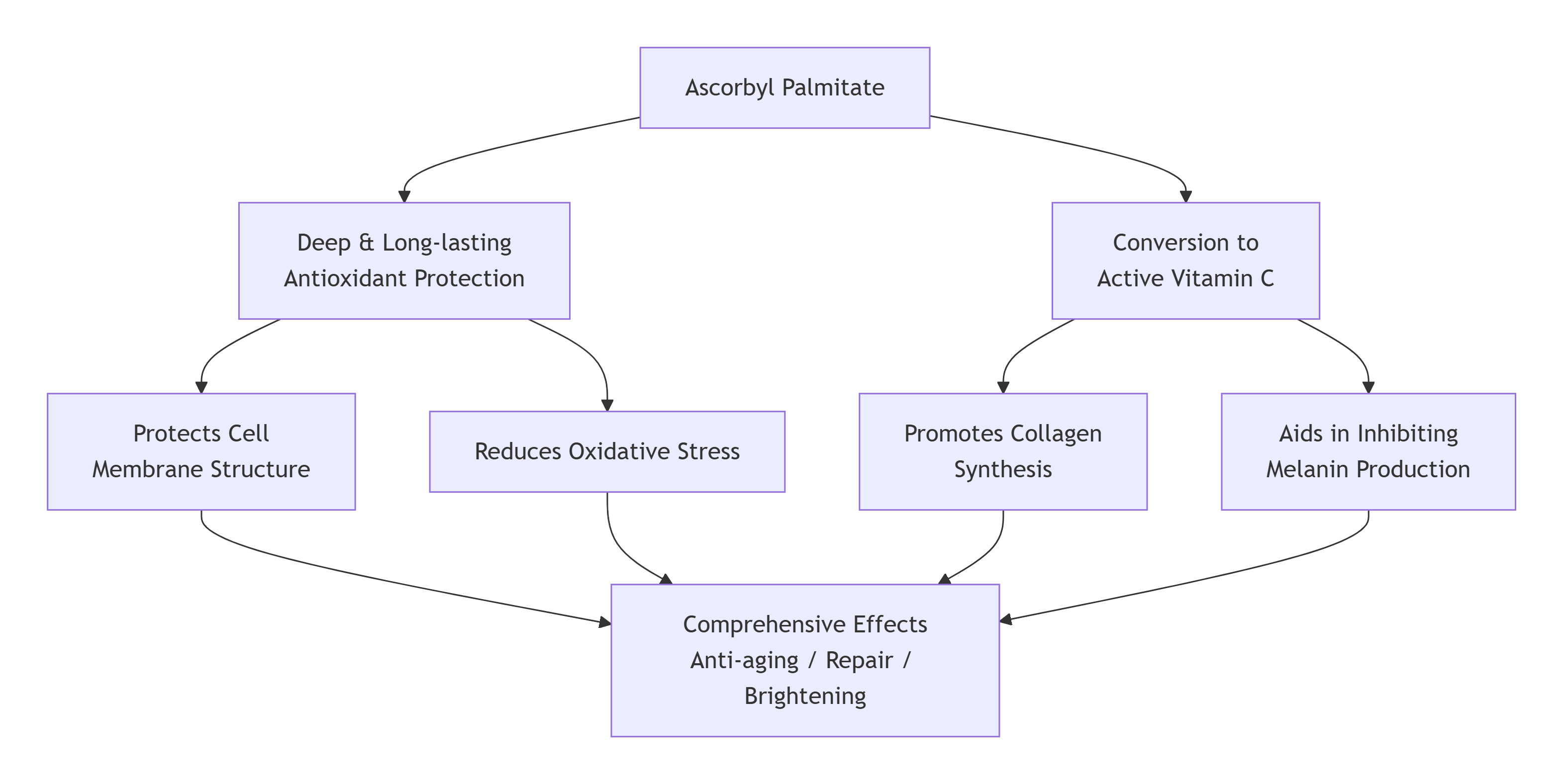
In summary, the efficacy of vitamin C palmitate is a synergistic system: based on "lipid-soluble antioxidants," it works through multiple pathways, including protecting membrane structure, promoting collagen production, and indirectly intervening in pigment metabolism, to achieve a comprehensive effect of resisting aging, maintaining elasticity, and even skin texture.
Vitamin C Palmitate: Applications Across Multiple Industries
1. Food Science and Engineering
In this field, it primarily plays the role of a "dual-effect expert." Firstly, it is a highly effective quality protector, particularly suitable for oil-rich food systems (such as vegetable oils, baked goods, meat products, and snacks). By effectively inhibiting lipid oxidation, it fundamentally delays food rancidity and flavor deterioration, significantly extending shelf life. Secondly, it is also a smart nutrition designer. In lipid-based foods where it is inconvenient to add water-soluble vitamin C (such as infant formula and functional dairy products), it can act as a fat-soluble nutritional fortifier, cleverly integrating into the product matrix to supplement consumers with vitamin C while promoting the absorption of trace elements such as iron.
2. Cosmetics and Skin
In the personal care industry, its value lies in the combination of "active repair" and "passive defense." On the one hand, as an active ingredient, its lipid solubility allows it to penetrate the skin barrier and act directly on cell membranes, exerting its biological functions of scavenging free radicals and promoting collagen synthesis, thus providing positive effects in anti-aging, brightening skin tone, and improving skin elasticity. On the other hand, it also acts as a protector of formulations, preventing the oxidation of oil components in products such as creams and serums, thereby maintaining the freshness, color, and efficacy stability of the products.
3. Pharmaceuticals and Nutritional Supplements
In this field, it exhibits a "multi-functional auxiliary" characteristic. In formulation, it is used as a stabilizer and synergist, protecting certain easily oxidized active pharmaceutical ingredients and improving the stability and shelf life of drugs. As a dietary supplement, it provides a gentle vitamin C supplementation option, especially suitable for those sensitive to the acidity of regular vitamin C. Furthermore, its unique antioxidant properties have led to its exploration in specific nutritional support programs targeting oxidative stress-related health problems.
4. Industrial and Animal Nutrition
Its applications even extend to a wider range of industrial applications. In animal nutrition, it is added to feed to enhance its antioxidant properties and ensure healthy animal growth. In some industrial products (such as high-grade lubricants and polymer materials), it is also used as an antioxidant additive to slow down the oxidative degradation of the substrate during processing and storage.