99% Vanillin CAS 121-33-5
Vanillin: What is it?
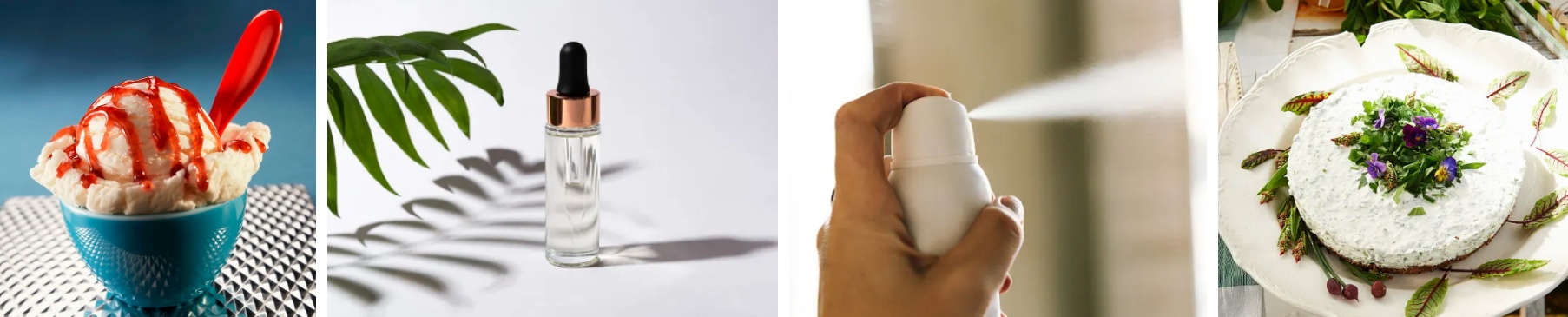
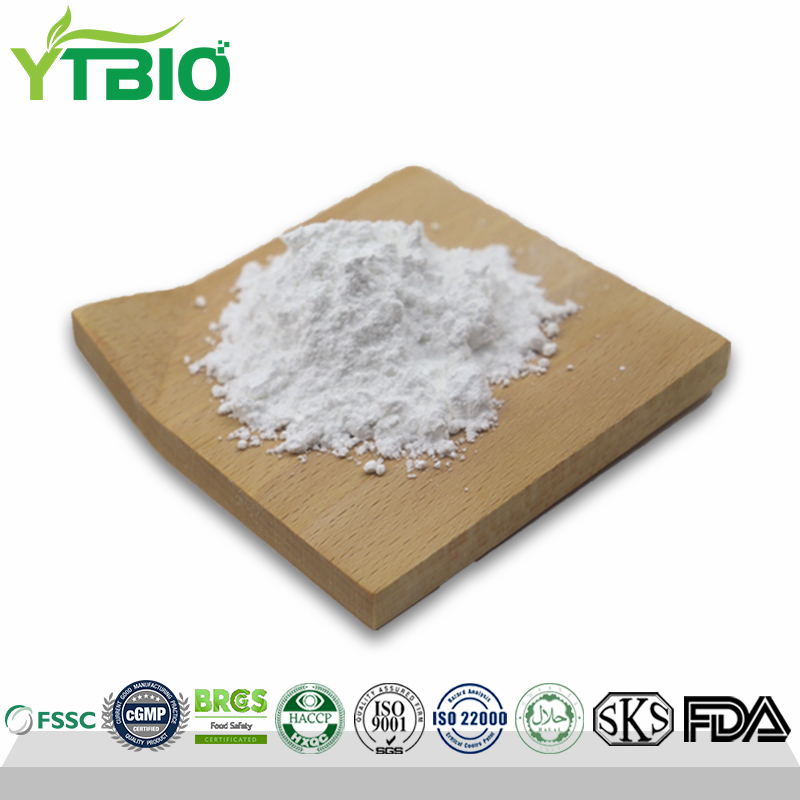
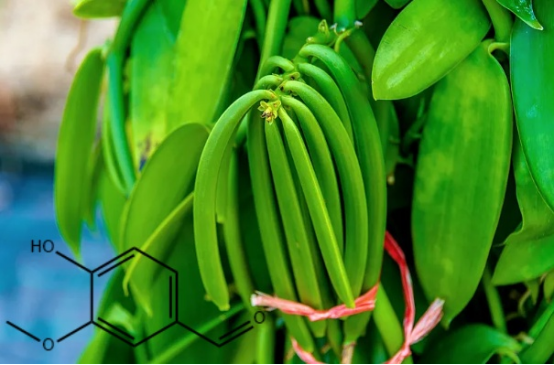
Vanillin (also known as vanillin aldehyde) is one of the most widely used flavorings globally, renowned for its signature vanilla bean aroma and rich, creamy flavor. Its chemical structure, 4-hydroxy-3-methoxybenzaldehyde, determines its unique aromatic properties. Although originally obtained from vanilla beans, the high cost of natural extraction means that the current market supply primarily relies on chemical synthesis methods using petroleum derivatives or lignin as raw materials. Meanwhile, biosynthesis technology based on microbial fermentation is gaining increasing attention as an emerging green process. In applications, vanillin is an indispensable flavor enhancer and fixative in ice cream, chocolate, baked goods, and beverages. In the cosmetics industry, it is used to stabilize the aroma structure of perfumes, skincare products, and detergents. Furthermore, its applications in pharmaceutical intermediate synthesis and industrial additives for rubber and plastics demonstrate its multi-functional value across various fields.
YTBIO Defines a Healthy Future with Natural Essence - Vanillin Supplier
Vanillin: Core Efficacy
Superior Aroma Regulation Function
Vanillin possesses a unique and long-lasting vanilla bean aroma and rich, creamy flavor. Its pure aroma and long-lasting fragrance effectively enhance the overall flavor perception of products. This component maintains aroma stability in various complex systems and is not easily degraded or volatilized by processing conditions.
Broad-spectrum antibacterial and preservative effects
Experiments have confirmed that vanillin exhibits significant inhibitory effects on Gram-positive bacteria, Gram-negative bacteria, and various fungi. Its antibacterial mechanism is achieved by disrupting the integrity of microbial cell membranes, making it an effective natural preservative.
Significant antioxidant activity
The phenolic hydroxyl groups in the vanillin molecule effectively scavenge free radicals and block lipid peroxidation chain reactions. Its antioxidant capacity is evident in oil systems and complex food matrices, effectively delaying the deterioration process.
Neuroregulation and protective potential
Studies have found that vanillin can cross the blood-brain barrier and has multiple regulatory effects on the nervous system. It can regulate neurotransmitter levels, reduce oxidative stress damage to neurons, and demonstrate potential for intervention in neurodegenerative diseases.
Multi-dimensional stabilizing functions
In addition to antibacterial and antioxidant effects, vanillin can also chelate with metal ions, reducing catalytic oxidation reactions. In complex formulations, it enhances system stability, prevents adverse interactions between components, and maintains consistent product quality.
Synergistic Effects
Vanillin exhibits a synergistic effect when used in combination with other antioxidants and preservatives, significantly improving the overall stability of the formulation system. This characteristic gives it special value in the development of complex products.
Vanillin: Application Areas
Food Industry Applications
In the baking industry, vanillin is widely used in the production of cakes, biscuits, and other products, imparting a rich milky flavor. In dairy processing, it serves as a key flavor modifier in the production of ice cream, milk powder, and flavored dairy drinks, effectively enhancing the aroma complexity and persistence of the products. In the manufacturing of confectionery and chocolate, vanillin neutralizes the bitterness of cocoa, resulting in a smoother and richer taste.
Chemical Applications
In the perfume industry, vanillin is used as a middle note, its stable vanilla aroma blending perfectly with other fragrance components. In skincare formulations, it acts as both a natural fragrance agent and an antioxidant, helping to maintain the stability of the product's active ingredients. In oral care products such as toothpaste and mouthwash, vanillin effectively improves product odor and enhances the user experience.
Pharmaceutical Applications
In pharmaceutical formulations, vanillin is often used to improve the unpleasant odor of oral medications, increasing patient adherence. Modern research also suggests it as a potential ingredient in neuroprotective agents for the development of related health products. Some topical formulations also utilize its antibacterial properties to enhance preservative effects.
Industrial Applications
In agricultural chemistry, vanillin is used to develop plant growth regulators and green pesticides. In the plastics industry, it is used as an odor modifier to eliminate the unpleasant odors of plastic products. In electroplating processes, vanillin can be used as an auxiliary additive to help improve the gloss and uniformity of the plating layer.
Emerging Applications
In recent years, vanillin has demonstrated new application value in the development of functional foods, being used in formulations of specialty foods with calming and sleep-aiding functions. In the field of environmentally friendly materials, its antibacterial properties are also being explored for the development of self-cleaning materials, expanding its application boundaries.