
The Secret to the Sweeter Taste of Lactose-Free Milk: The "Molecular Scissors" of Lactase and the Mechanism of Sweetness Enhancement
In the field of dairy product innovation, lactose-free milk not only solves the lactose indigestion problem faced by 65% of the global population, but also exhibits a significantly sweeter flavor compared to regular milk. This characteristic does not stem from the addition of exogenous sugars, but rather from the precise biocatalysis of lactase. This article will introduce the molecular mechanism of this conversion process and its impact on product flavor.
1. Molecular Characteristics of Lactose
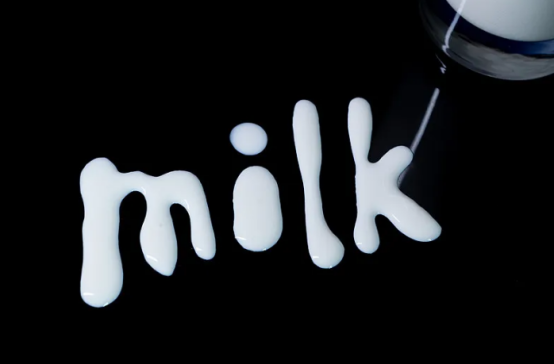
Lactose, the main carbohydrate in mammalian milk, is a disaccharide composed of β-D-galactose and β-D-glucose linked by a 1,4-glycosidic bond. The hydrophobic regions in its molecular structure cover the sweet taste receptor binding sites, resulting in a sweetness perception of only 20%-30% that of sucrose. This low sweetness characteristic makes the sweetness of traditional milk weaker, often masked by the flavors of its fat and protein.
2. Biocatalytic Mechanism of Lactase
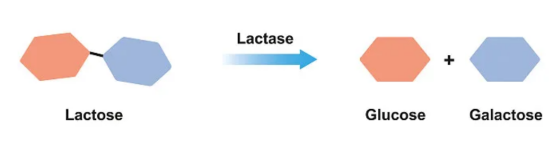
Lactase (β-galactosidase) is a hydrolytic enzyme that specifically recognizes and cleaves the glycosidic bonds of lactose molecules. This process is analogous to precise "molecular scissors":
Active Site Recognition: The enzyme protein specifically binds to lactose molecules through its conserved Glu-Phe-Trp domain.
Hydrolysis Reaction: Under optimal pH (4.5-6.0) and temperature (40-55℃) conditions, it catalyzes the cleavage of glycosidic bonds.
Product Release: Equimolar amounts of glucose and galactose monomolecules are generated.
3. Analysis of Sweetness Enhancement
The sweetness characteristics of the hydrolysis products change significantly:
Glucose: Sweetness coefficient is 70-80% of sucrose.
Galactose: Sweetness coefficient is 60-65% of sucrose.
Through enzymatic conversion, the relative sweetness of the system increases from 20-30% of the raw lactose to 60-70% of the final product, achieving a substantial improvement in sweetness.
4. Impact of Process on Sweetness
Hydrolysis Control: Hydrolysis rate is typically controlled at 70%-80% to achieve optimal sweetness balance.
Thermodynamic Optimization: A fed-batch enzymatic hydrolysis process is used to avoid product inhibition.
Enzyme Selection: Lactase from *Kluyveromyces lactis* has superior thermal stability.
5. Additional Benefits
Besides enhanced sweetness, this process also brings:
Digestive Adaptability: Pre-hydrolysis eliminates the risk of lactose intolerance.
Enhanced Maillard Reaction: Free reducing sugars promote color formation in baked goods.
Improved Fermentation Efficiency: Provides a more readily available carbon source for fermented products such as yogurt.
The biocatalytic technology of lactase not only solves the global health problem of lactose intolerance but also brings a natural flavor upgrade to dairy products through precise molecular modification. Mastering this key technology will open the door to lactose-free product innovation for you. YTBIO provides highly active and stable lactase products and can tailor process optimization solutions for you. For more technical details or to obtain samples, please contact at sales@sxytbio.com immediately. We will provide you with professional support.
References
Food Chemistry (2019). "Enzymatic modification of lactose and its impact on dairy product properties"
Journal of Dairy Science (2020). "Optimization of lactase hydrolysis for sensory quality enhancement"
International Dairy Journal (2021). "Mechanistic insights into β-galactosidase catalysis"
Comprehensive Reviews in Food Science (2022). "Techno-functional properties of lactose-hydrolyzed milk"